
Drug Addiction in India An Overview

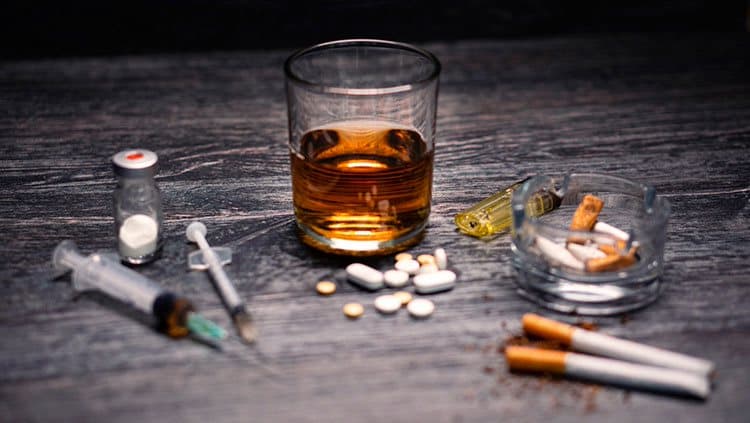
Drug addiction in India has emerged as a serious public health and social challenge over the last few decades. The increasing availability of narcotics, changing lifestyles, peer pressure, and lack of awareness have contributed significantly to the rise of substance abuse across urban and rural regions. Addiction not only affects individuals but also deeply impacts families, communities, and the nation’s productivity.
India’s geographical location near major drug trafficking routes has further complicated the problem. Substances such as alcohol, cannabis, heroin, cocaine, and pharmaceutical drugs are widely misused, making drug addiction in India a multi-dimensional issue that requires urgent attention.
Understanding Drug Addiction in India
Drug addiction in India refers to the compulsive use of substances despite harmful consequences. It is a chronic condition that affects the brain and behavior, leading to physical dependence and psychological cravings. Addiction is not a moral failure but a medical condition that requires proper treatment and long-term support.
Substance abuse can begin casually but gradually turns into dependency, making it extremely difficult for individuals to quit without professional help.
Common Types of Drug Addiction in India
Several forms of substance abuse contribute to drug addiction in India, each affecting different sections of society.
Alcohol addiction remains the most widespread form, impacting individuals across all age groups. Cannabis and opioids such as heroin are commonly abused, especially among youth. Prescription drug misuse, including painkillers and sedatives, has also risen sharply in recent years.
These substances damage physical health, impair judgment, and often lead to long-term mental health disorders.
Major Causes of Drug Addiction in India
There are multiple factors responsible for the rise of drug addiction in India.
Social pressure and the desire to fit in often push young individuals toward substance use. Unemployment, academic stress, family conflicts, and emotional trauma also contribute significantly. Easy access to drugs and lack of strict enforcement in certain regions further worsen the situation.
Mental health issues such as anxiety and depression often coexist with addiction, creating a dangerous cycle that is difficult to break.
Drug Addiction Among Youth in India
Drug addiction in India is particularly alarming among adolescents and young adults. Curiosity, experimentation, and peer influence often act as entry points. Social media and pop culture sometimes glorify substance use, making it appear fashionable or stress-relieving.
Early exposure increases the risk of lifelong addiction, academic failure, unemployment, and criminal behavior. Addressing youth addiction is critical for the country’s future development.
Effects of Drug Addiction in India
The consequences of drug addiction in India extend far beyond individual health.
Physically, addiction damages vital organs such as the liver, brain, and heart. Psychologically, it leads to anxiety, depression, paranoia, and suicidal tendencies. Socially, addiction destroys relationships, increases domestic violence, and contributes to crime and homelessness.
Economically, substance abuse reduces productivity and places a heavy burden on healthcare systems and law enforcement agencies.
Social and Economic Impact of Drug Addiction in India
Drug addiction in India affects national growth and stability. Families often face financial ruin due to treatment costs and loss of income. Communities experience increased crime rates and reduced social harmony.
The economic cost of addiction includes healthcare expenses, loss of workforce efficiency, and rehabilitation funding, making it a nationwide concern rather than an individual problem.
Government Initiatives to Control Drug Addiction in India
The Indian government has implemented several measures to address drug addiction in India. Programs focus on prevention, awareness, rehabilitation, and stricter enforcement of narcotics laws.
National campaigns aim to educate citizens about the dangers of substance abuse, while rehabilitation centers provide medical and psychological support to recovering addicts. Collaboration with NGOs has further strengthened outreach efforts.
Role of Rehabilitation and Counseling
Rehabilitation plays a crucial role in overcoming drug addiction in India. Treatment involves detoxification, therapy, counseling, and long-term follow-up care. Family involvement significantly improves recovery outcomes.
Counseling helps individuals understand the root causes of addiction and develop coping strategies to prevent relapse. A supportive environment is essential for sustained recovery.
Preventive Measures for Drug Addiction in India
Preventing drug addiction in India requires a collective effort. Awareness programs in schools and colleges can educate young people about the risks of substance abuse. Open communication within families helps identify early warning signs.
Community engagement, mental health support, and responsible media representation are equally important in reducing addiction rates.
Conclusion Addressing Drug Addiction in India
Drug addiction in India is a complex issue that demands long-term commitment from individuals, families, communities, and policymakers. With increased awareness, accessible rehabilitation services, and strong preventive measures, the impact of substance abuse can be reduced.
Treating addiction with compassion rather than stigma is key to helping individuals reclaim their lives and build a healthier society.
Key Statistics Related to Drug Addiction in India
| Aspect | Details |
|---|---|
| Most Common Substance | Alcohol |
| High-Risk Age Group | 15 to 35 years |
| Rising Concern | Prescription drug misuse |
| Affected Areas | Urban and rural regions |
| Major Causes | Peer pressure unemployment stress |
| Treatment Options | Detox therapy rehabilitation counseling |
| Social Impact | Family breakdown crime unemployment |
| Economic Impact | Healthcare burden loss of productivity |
“Addiction is not a failure of character, it is a condition of the brain. With the right treatment, support, and patience, recovery is always possible. Seeking help is the first and bravest step toward healing.”
— Senior Addiction Psychiatrist, India

About navoday-admin
hello this is navoday description from wordpress